Exploring the cultural significance of gambling across different societies
The Historical Roots of Gambling
The origins of gambling can be traced back to ancient civilizations, with evidence found in artifacts from cultures such as the Chinese, Egyptians, and Romans. Dice, often crafted from bones, were used in gambling rituals and games, reflecting the societies’ beliefs about fate and chance. These early forms of gambling often went hand-in-hand with religious practices, suggesting that it was not just a means of entertainment but also a way to connect with the divine. In the exciting world of online gaming, you can experience this sense of connection at Morospin casino, where history meets modern entertainment.
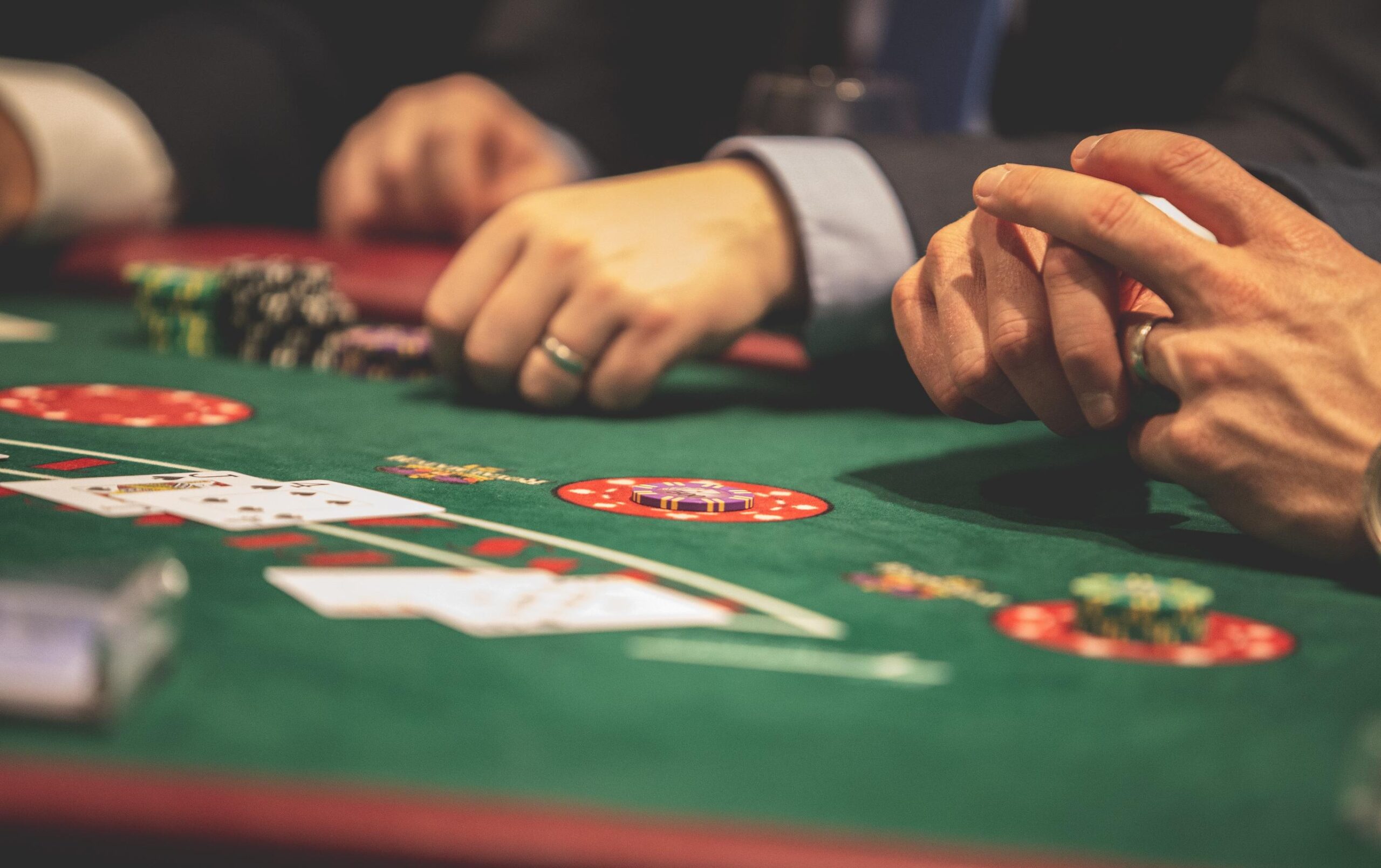
In many ancient societies, gambling was intertwined with social hierarchies and class distinctions. For instance, in ancient Rome, betting on gladiator fights was not only a popular pastime but also a reflection of social status. The affluent could wager large sums, showcasing their wealth and influence, while the lower classes found small bets more accessible. This dynamic illustrates how gambling often mirrored societal structures and offered insights into the cultural fabric of the time.
Gambling also played a significant role in trade and commerce. In the Middle Ages, various card games emerged as methods of social interaction among traders, often helping to establish relationships and negotiate deals. As societies evolved, the nature of gambling shifted, reflecting changes in economic systems and cultural values. By examining these historical contexts, we gain a deeper understanding of how gambling has shaped and been shaped by human civilization.
Gambling and Cultural Identity
In various cultures, gambling has evolved into a significant aspect of cultural identity. For example, in many Indigenous cultures, traditional games serve not only as a form of entertainment but also as a means of passing down heritage and stories. These games often involve rituals and ceremonies, providing a strong sense of community and belonging. The intertwining of gambling with cultural practices can illustrate the values, beliefs, and social norms of a society.
In contrast, some cultures view gambling with skepticism or outright disdain. In Islamic societies, for instance, gambling is largely prohibited, rooted in religious beliefs that emphasize moral conduct and the avoidance of risk-taking behaviors. However, this prohibition does not erase the existence of informal gambling practices, which can emerge in covert ways, reflecting a complex relationship with the concept of chance and fortune.
Additionally, modern globalization has led to a blending of gambling practices across cultures. The proliferation of online gambling platforms allows individuals from different backgrounds to engage with games that were once culturally specific. This cross-pollination can lead to the adaptation of traditional games into modern forms, transforming them and reshaping cultural identity in the process. The continuous evolution of gambling showcases its significance as a living element of cultural expression.
The Psychological Aspects of Gambling
The psychological motivations behind gambling are deeply rooted in the human experience. Many people are drawn to the thrill of taking risks and the excitement that comes with uncertainty. The concept of ‘near misses,’ where a player comes close to winning but ultimately does not, can trigger a sense of hope and compulsion that keeps individuals returning to the table. This psychological phenomenon highlights the fine line between entertainment and addiction.
Moreover, gambling can provide an escape from reality for some individuals, acting as a form of entertainment that distracts from daily life challenges. For those facing hardships, the allure of a jackpot can represent a chance for financial relief. This aspect of gambling reflects broader themes in society, where economic struggles can lead individuals to seek out riskier avenues for success, thus intertwining personal and societal issues.
The impact of gambling on mental health is also significant. While some individuals enjoy gambling recreationally without issue, others may develop problematic behaviors leading to severe consequences. Awareness of these psychological dynamics is crucial for both individuals and communities. Societal support systems need to be in place to address gambling addiction and promote healthy gaming practices, emphasizing the importance of understanding the psychological underpinnings of this culturally significant activity.
The Economic Impact of Gambling
The gambling industry has grown into a significant economic force across the globe, generating billions in revenue each year. This economic impact is particularly evident in regions where gambling is legalized and regulated. For example, cities like Las Vegas and Macau have built entire economies around the gambling sector, attracting tourists and creating jobs. These establishments not only contribute to local economies but also influence regional cultures by promoting entertainment and hospitality.
However, the economic benefits of gambling come with notable downsides. Communities may face social challenges, such as increased crime rates, gambling addiction, and associated healthcare costs. The balance between economic gain and social responsibility is a complex issue that requires careful management. Many jurisdictions have implemented regulations aimed at promoting responsible gambling while still capitalizing on potential economic benefits.
Furthermore, the advent of online gambling platforms has transformed the landscape of the industry. Digital gambling allows individuals to participate from the comfort of their homes, broadening the reach of the industry. This shift poses new regulatory challenges and opportunities, pushing societies to rethink their approach to gambling in the modern digital age. Understanding these economic implications is vital for navigating the cultural significance of gambling in contemporary society.

Morospin Casino and Cultural Gambling Experiences
Morospin Casino represents the modern evolution of gambling, offering a diverse selection of games that cater to various preferences and cultural backgrounds. By providing an engaging online environment, Morospin fosters a space where players can explore a myriad of gaming options, from traditional slots to innovative live dealer experiences. This blend of accessibility and variety reflects the changing dynamics of gambling in contemporary society.
The platform aims to create a welcoming atmosphere where individuals from all walks of life can engage in the thrill of gaming. With generous promotions and a user-friendly interface, Morospin Casino appeals to both seasoned players and newcomers alike. By embracing a diverse gaming portfolio, the casino showcases the global nature of gambling, bridging cultural divides through shared experiences and entertainment.
As more individuals turn to online platforms for their gaming experiences, the cultural significance of gambling continues to evolve. Morospin Casino’s commitment to providing a secure and entertaining environment demonstrates the ongoing relevance of gambling in fostering social connections and cultural exchanges. In doing so, it reflects the broader trends shaping the gambling landscape while honoring the rich history and cultural significance embedded in this multifaceted activity.