Exploring the psychological highs and lows of gambling experiences
The Thrill of Winning
The exhilarating feeling of winning is one of the primary reasons people are drawn to gambling. Each win, regardless of size, triggers a release of dopamine, the brain’s feel-good neurotransmitter. This biological response can lead to heightened excitement and a sense of invincibility. Many players recount stories of dramatic wins, which can create lasting memories that drive them back to the gambling environment, seeking to replicate that initial high. However, this often leads to an unpredictable cycle of highs and lows. To enhance your understanding, visit https://quatrocasinoreview.com/ for valuable insights.
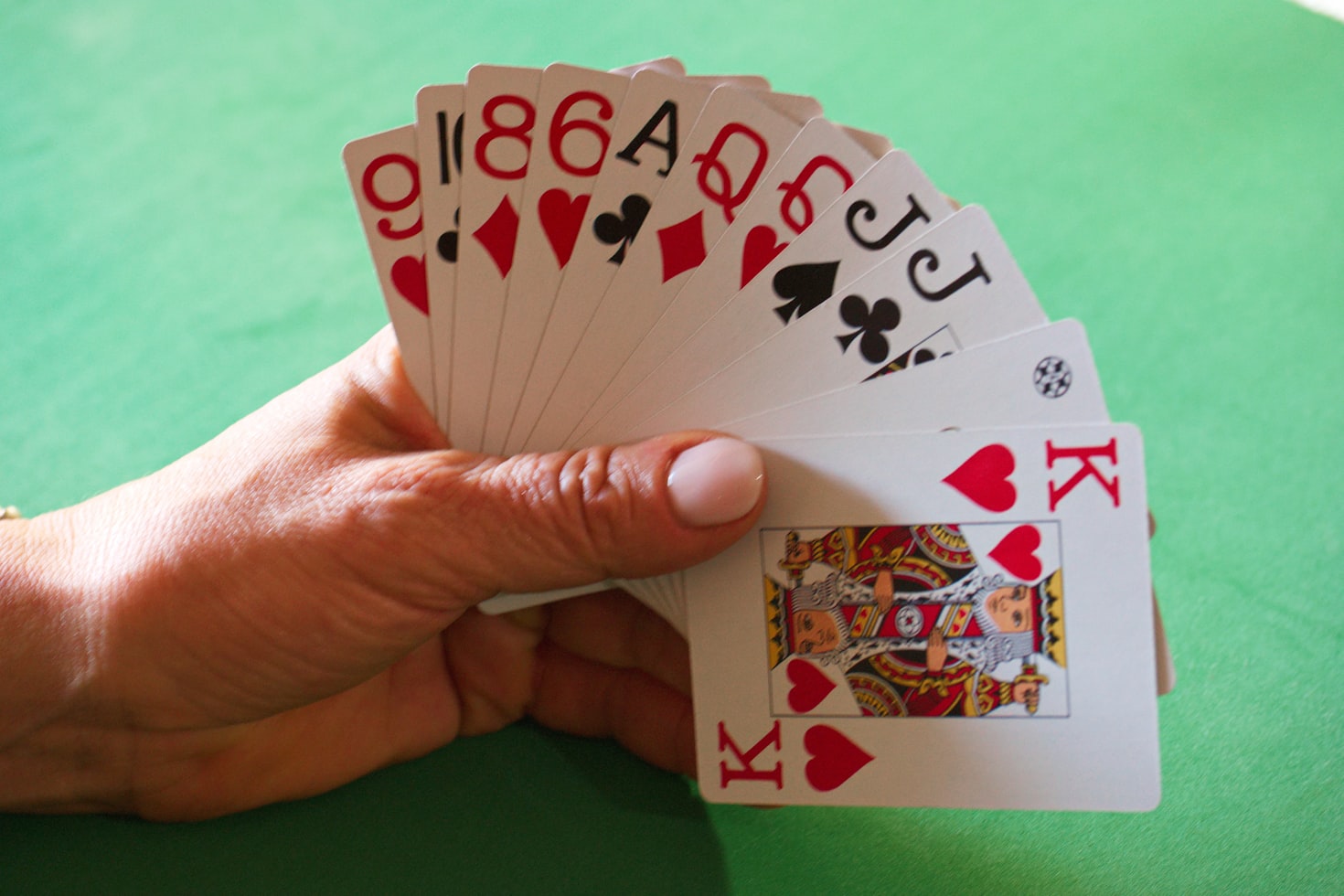
With each small victory, players may develop a false sense of control over their gambling fate. This phenomenon is often referred to as the “gambler’s fallacy,” where individuals believe their chances of winning improve after a series of losses. This mindset can amplify the excitement, making each game feel like a potential turning point. In reality, gambling remains a game of chance, and the expectation of winning can lead to risky decisions fueled by emotion rather than strategy.
The euphoria experienced during winning streaks can also skew one’s perspective on gambling. Players may find themselves ignoring past losses and focusing solely on their successes. This selective memory can create an illusion that they are more skilled than they truly are. As a result, they may continue to gamble, convinced that another big win is just around the corner, often leading to increased wagers and riskier behavior.
The Despair of Losses
Conversely, the psychological impact of losses can be profound and unsettling. A significant loss can evoke feelings of disappointment, frustration, and even shame. When the thrill of winning is replaced by the agony of loss, many gamblers may enter a state of denial. They may rationalize their losses, telling themselves that their luck will change or that they are due for a win. This mindset can make the despair of losing even more intense, as individuals chase their losses in hopes of regaining what they have lost.
The emotional rollercoaster of gambling can take a toll on mental health. Studies have shown that frequent gamblers are at a higher risk for anxiety and depression. The cycle of wins and losses creates a push-and-pull dynamic that can leave individuals feeling unstable. As players experience more losses, the emotional weight can lead to increased isolation from friends and family, compounding feelings of loneliness and despair.
Additionally, the consequences of gambling losses can extend beyond the individual. Relationships often suffer, as loved ones may not understand the allure of gambling. This disconnect can lead to resentment and tension, further exacerbating the psychological lows associated with gambling. Understanding the full scope of these emotional impacts is crucial for both gamblers and their families, highlighting the need for supportive communication and healthy coping mechanisms.
The Illusion of Control
Many gamblers develop a sense of control over their luck, often relying on strategies or superstitions they believe will influence their outcomes. This illusion can provide comfort and a sense of empowerment in an inherently unpredictable environment. Gamblers may develop rituals or habits, such as wearing specific clothing or playing certain games at particular times, reinforcing the belief that they can manipulate their chances of success. This behavior often leads to an emotional attachment to the gaming process.
Moreover, this perception can be particularly strong in games that incorporate skill, such as poker or blackjack. Players may feel that their decisions significantly impact the game’s outcome, leading to a deeper emotional investment. However, the reality is that luck plays a crucial role, and overestimating one’s abilities can lead to substantial losses. The psychological toll of believing in a false sense of control can lead to prolonged gambling and increased risk-taking behavior.
Ultimately, recognizing the limitations of control in gambling is essential for fostering a healthier relationship with gaming. Gamblers need to be aware that while strategies may enhance enjoyment, they do not guarantee success. Awareness can lead to a more balanced approach, where the focus shifts from seeking control to appreciating the entertainment value of gambling without becoming overwhelmed by the emotional highs and lows.
The Role of Environment and Social Influence
The environment in which gambling takes place can significantly impact a player’s experience. Online platforms and physical casinos create distinct atmospheres that cater to different psychological responses. Bright lights, catchy sounds, and the social buzz of others winning can create an enticing environment that heightens the overall thrill of gambling. This sensory stimulation can amplify both the highs of winning and the lows of losing, making it crucial for gamblers to be mindful of their surroundings.
Moreover, social influences can play a significant role in shaping a gambler’s behavior. Friends or peers who endorse gambling can create a social norm that encourages participation. This communal aspect can enhance the enjoyment of gambling, making wins feel more meaningful and losses less impactful when shared with others. However, peer pressure can also lead individuals to gamble more than they initially intended, heightening the potential for negative psychological outcomes.
Understanding the impact of social and environmental factors can empower individuals to make more informed decisions about their gambling habits. By recognizing how these influences affect their emotional responses, gamblers can develop strategies to mitigate the adverse effects. This insight can lead to healthier choices, ensuring that gambling remains a source of entertainment rather than a source of stress or emotional turmoil.

Conclusion: Navigating the Emotional Landscape of Gambling
In conclusion, the psychological highs and lows of gambling experiences create a complex emotional landscape that players must navigate. From the exhilaration of winning to the despair of losses, the journey of a gambler is often marked by powerful emotional highs and devastating lows. Understanding these dynamics is crucial for anyone interested in gambling, as it allows for a healthier relationship with the activity.
Moreover, as players become more aware of their emotional responses, they can better manage their gambling habits. This awareness can help them set realistic expectations and approach gambling as a form of entertainment rather than a path to financial success. By fostering an understanding of the psychological elements at play, individuals can enhance their enjoyment while minimizing the risks associated with gambling.
Ultimately, platforms like Quatro Casino Review serve as valuable resources for beginners navigating the online gaming landscape. By providing insights into games, bonuses, and responsible gambling practices, such platforms empower players to make informed choices, enhancing their overall gaming experience while prioritizing their emotional well-being.